· 11 min read · Jason Bittner
Unwrapping 2026: Tech Trends to Watch in the New Year
As 2025 comes to a close and the wrapping paper settles, many of us find ourselves reflecting on the year behind us — and wondering what’s next. The world of technology never slows down, and 2026…
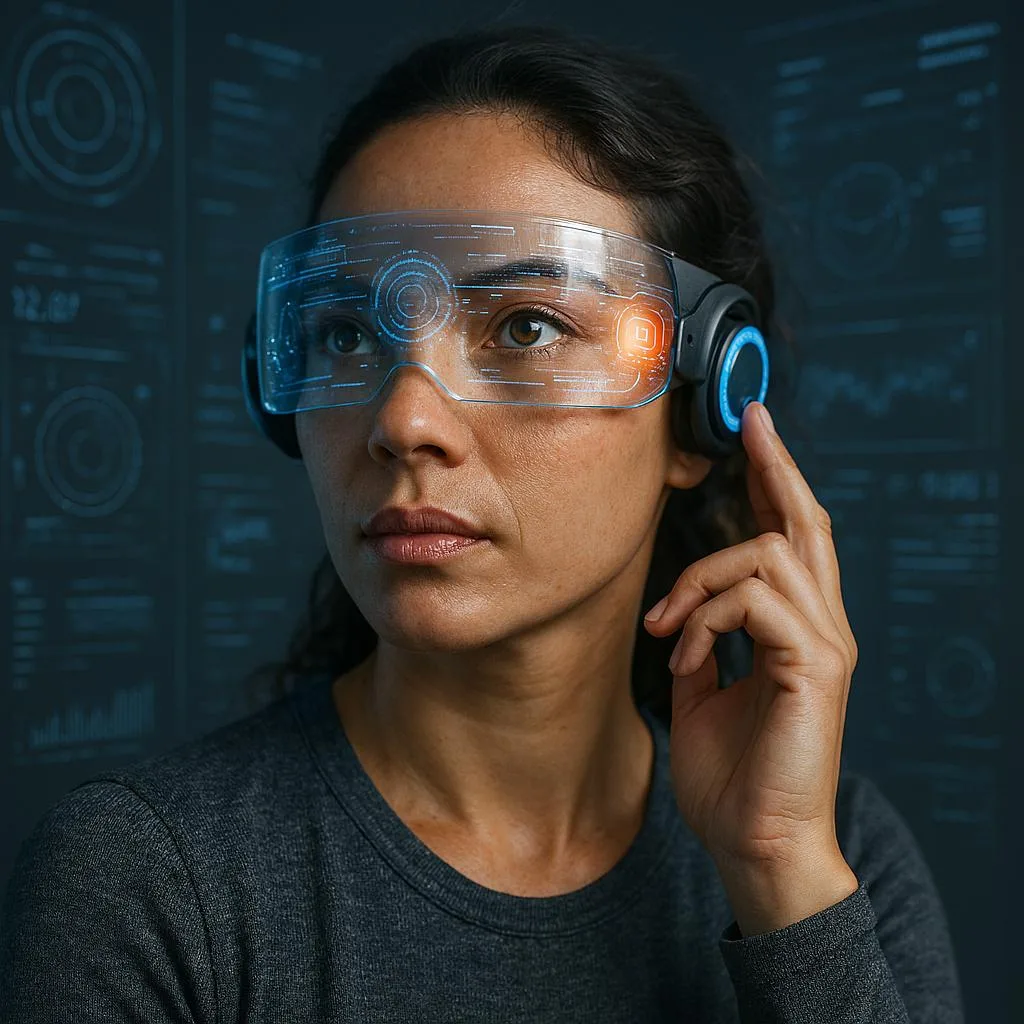
As 2025 comes to a close and the wrapping paper settles, many of us find ourselves reflecting on the year behind us — and wondering what’s next. The world of technology never slows down, and 2026 promises to bring another wave of transformation across industries.
From the continued rise of artificial intelligence to the reinvention of business operations through smarter software, the next year will challenge organizations to adapt faster, think smarter, and integrate technology more deeply than ever before. For businesses large and small — from global manufacturers to local innovators — the key to success in 2026 won’t just be about keeping up with technology. It’ll be about knowing which trends truly matter, and how to make them work for you.
At Triple Helix Corporation, we’ve spent decades helping businesses harness technology to solve complex problems — from ERP augmentation to custom software and business consulting. As we look ahead, our team is especially attuned to the trends poised to reshape how companies operate in the year ahead.
So grab a cup of coffee (or cocoa), settle in, and let’s unwrap the tech trends that will define 2026.
1. The AI Boom Evolves: From Novelty to Necessity
It’s no surprise that artificial intelligence will continue to dominate headlines — but in 2026, the conversation is shifting. What was once experimental or exclusive to large corporations is quickly becoming an operational necessity for businesses of every size. AI is moving out of the “hype” phase and into daily business life. Companies are no longer asking if they should use AI, but how. The difference lies in integration — how well AI tools align with existing systems and workflows.
In 2026, the businesses that thrive won’t just use AI. They’ll embed it.
We’re talking about ERP systems that intelligently predict supply chain disruptions before they occur. CRMs that adapt messaging based on customer sentiment. Manufacturing systems that automatically detect quality control issues before they escalate. Even small businesses are now able to access AI’s power thanks to lower costs and accessible tools. What matters most is data — specifically, having unified, clean data that AI can learn from effectively.
That’s why ERP augmentation and system integration will play such critical roles in the coming year. Without cohesive data systems, AI is like Santa without his list — powerful, but blind. Businesses that prepare their infrastructure today will be the ones leading innovation tomorrow.
2. ERP Systems Get Smarter (and Simpler)
For decades, ERP systems have been the backbone of manufacturing and enterprise operations — connecting finance, production, logistics, and HR. But in 2026, expect a new generation of ERP: smarter, lighter, customizable, and more affordable than ever before.
Traditional ERPs were often rigid, complex, and difficult to adapt. The next evolution focuses on flexibility and augmentation — systems that are built around your business instead of forcing your business to conform to them.
We’re seeing a surge in companies turning to ERP augmentation, where legacy systems are enhanced with modern integrations, cloud tools, and data analytics. This approach saves significant cost and time over a full system replacement — while unlocking modern functionality like AI-driven insights and automated reporting.
As businesses increasingly demand agility, we expect ERP vendors to double down on modular design — allowing companies to adopt only the features they need and scale seamlessly.
At Triple Helix, we often remind clients that your ERP doesn’t have to be perfect; it just has to be connected. The real value lies in integration — tying together sales, operations, finance, and supply chain so that your business moves as one unified system.
In 2026, smart ERPs aren’t just about data management — they are about decision empowerment.
3. The Rise of the “Digital Workforce”
Automation has been a buzzword for years, but 2026 will mark the era where human and digital workers operate side by side more seamlessly than ever.
We’re moving beyond simple task automation and into digital co-workers — AI-powered assistants, chatbots, and robotic process automation (RPA) tools that can handle complex workflows and decision-making in real time.
From HR teams using AI to screen resumes and schedule interviews, to manufacturers relying on smart robots that learn from operators, the workplace of 2026 will be deeply collaborative between humans and machines.
But rather than replacing people, the most successful companies will use these tools to amplify human potential. Digital systems can handle repetitive processes, freeing up employees for creative problem-solving and innovation.
That human-centered approach to technology — one that complements rather than competes — will define business success. Companies that prepare employees with training, transparency, and tools for digital collaboration will foster a stronger, more adaptable workforce ready for whatever the next decade brings.
4. Cybersecurity in a Hyperconnected World
As more organizations embrace digital transformation, the risks rise right alongside the rewards. By 2026, global cybersecurity spending is projected to surpass $300 billion, and for good reason. Threats are becoming more sophisticated, leveraging AI to bypass defenses and exploit vulnerabilities faster than ever before.
But here’s the good news: cybersecurity technology is evolving just as quickly. The biggest trend in 2026 will be proactive cybersecurity — systems that predict and prevent attacks before they happen. AI-driven monitoring tools are learning to detect anomalies and flag suspicious behavior in real time, dramatically reducing breach response times.
Another major shift is zero trust architecture, which assumes that no device or user — even within your own network — is automatically trusted. This model will become the new standard, especially as remote work and cloud integration continue to expand. Businesses should also pay close attention to supply chain security, ensuring that partners and third-party tools adhere to strong data protection standards. As operations become increasingly interconnected, a single weak link can compromise an entire ecosystem.
At Triple Helix, we often remind our clients that cybersecurity is no longer a standalone function. It must be woven into every layer of your software, processes, and data infrastructure. As technology advances, so must your defense.
5. The Expanding Internet of Things (IoT)
The Internet of Things — devices connected through the cloud that communicate and exchange data — has already transformed how we live and work. But in 2026, IoT will evolve from being “smart” to being strategic.
IoT isn’t just about smart thermostats and sensors anymore. It’s about actionable insight. Businesses will use IoT data not just to monitor operations, but to make predictive, informed decisions.
Manufacturers, for example, will rely on connected equipment to predict maintenance needs and prevent costly downtime. Retailers will use in-store IoT analytics to optimize inventory and enhance customer experience. Even agriculture is being reshaped by sensors that track soil moisture, crop health, and weather conditions in real time.
But the real opportunity lies in integration — connecting IoT data with ERP and analytics platforms. This unified ecosystem allows businesses to see everything that’s happening across production, supply chain, and customer touchpoints.
The result? Smoother operations, faster decision-making, and a clear competitive edge. IoT’s power comes from connection — and the businesses that master integration will lead their industries into 2026 and beyond.
6. Sustainability Becomes a Tech Imperative
The call for environmental responsibility is growing louder, and technology is stepping up to meet it. In 2026, expect to see a significant push toward green technology and sustainable operations — not just for ethics, but for economics.
Businesses are realizing that sustainability and efficiency often go hand in hand. Cloud-based systems reduce hardware waste and energy consumption. Predictive analytics optimize logistics routes to reduce emissions. Smart manufacturing software helps minimize scrap material and energy usage.
We’ll also see increased adoption of circular economy technologies, where products are designed with reuse, repair, and recycling in mind — supported by digital platforms that track lifecycle data and resource flows.
Government incentives and consumer expectations will further accelerate this movement. Sustainability isn’t just a moral choice anymore — it’s a market advantage. Triple Helix works with clients to develop systems that don’t just boost performance, but reduce inefficiencies that waste time, money, and environmental resources. Because in the long run, smarter operations are greener operations.
7. Cloud Everywhere: From Hybrid to Intelligent Infrastructure
The cloud revolution is nothing new — but in 2026, it’s evolving into something even more powerful: intelligent cloud infrastructure.
Businesses are increasingly adopting hybrid and multi-cloud models, combining public and private cloud environments to balance performance, cost, and control. But the real transformation comes from AI-driven cloud management — systems that can automatically allocate resources, detect inefficiencies, and optimize workloads in real time.
This next generation of cloud technology isn’t just about scalability. It’s about autonomy. As edge computing continues to grow — bringing processing closer to where data is created — we’ll see faster, smarter systems that can handle massive amounts of data without overloading networks. That means quicker insights, faster customer responses, and more reliable digital operations.
For businesses running ERP systems or large-scale software infrastructure, this evolution means better performance and lower costs. Intelligent cloud management can automatically scale capacity during busy seasons, such as year-end production or holiday sales, then scale back down afterward.
The companies that embrace these flexible infrastructures will have the agility needed to meet customer expectations in an unpredictable world.
8. Personalized Everything: The Human Side of Data
In an age of automation and AI, personalization is becoming the ultimate differentiator. Customers — whether B2C or B2B — expect experiences tailored specifically to them. In 2026, personalization will go far beyond targeted ads or product recommendations. Businesses will use advanced analytics to predict needs, anticipate challenges, and offer proactive solutions.
Imagine ERP dashboards that adapt to how individual employees work best, or business intelligence tools that automatically prioritize the data insights most relevant to each department.
It’s personalization at the organizational level — making technology feel more human. This shift will also reshape customer relationships. Companies that use data ethically and transparently will earn trust, while those that misuse or overstep will face growing backlash. The balance between personalization and privacy will become a defining theme of the next year.
At Triple Helix, we believe personalization isn’t just about sales — it’s about service. Whether developing custom software or optimizing ERP solutions, our goal is always to make technology fit you, not the other way around.
9. The Integration Era: Connecting the Digital Dots
If there’s one theme that underlies nearly every trend for 2026, it’s integration. We live in a world overflowing with tools, data, and platforms — yet many businesses still struggle with disconnected systems that don’t communicate effectively. The result is inefficiency, errors, and missed opportunities.
2026 will be the year of unification — where companies finally prioritize connecting their systems, automating data flow, and eliminating silos.
Integration allows every department — from accounting to manufacturing — to work from the same data source. It improves visibility, speeds up decisions, and enhances collaboration.
At Triple Helix, this philosophy drives everything we do. Whether it’s integrating an ERP with a CRM, developing middleware to connect legacy systems, or creating custom dashboards that bring clarity to complexity, integration is the foundation of operational excellence.
In 2026, businesses that master integration will move faster, make smarter choices, and deliver better results than those that don’t.
10. Preparing for the Next Digital Decade
2026 isn’t just another year — it’s the gateway to a new digital decade. The technologies emerging now will shape how we work, produce, and connect well into the 2030s.
That might sound daunting, but it’s also an incredible opportunity. Businesses that embrace innovation thoughtfully — guided by strategy, not just trends — will be the ones that thrive.
The key takeaway for 2026 is simple: technology is no longer optional. It’s operational. To stay competitive, organizations must prioritize digital transformation that aligns with their goals and culture. That might mean modernizing your ERP system, automating manual workflows, or investing in analytics that turn data into actionable intelligence. But it doesn’t have to be overwhelming — and you don’t have to do it alone.
A New Year, A New Opportunity
As we close out 2025 and look toward the horizon of 2026, one thing is certain: technology will continue to change, but the heart of innovation remains the same — people solving problems through creativity and connection.
At Triple Helix Corporation, we help businesses turn technological possibilities into practical realities. Whether you’re seeking to augment your ERP, optimize your systems, or develop a custom solution that drives growth, we’re here to help you start the new year stronger, smarter, and more connected.
Because while no one can predict every twist the next year will bring, we can help ensure that your systems are ready for whatever comes next.
Here’s to an efficient, innovative, and successful 2026 — may your data be clean, your systems synchronized, and your business running smoother than Santa’s sleigh on Christmas Eve.
Tags
Ready to Transform Your Business?
Let's discuss how our data solutions and technology expertise can help your organization achieve its goals.
Get In Touch